Sustainability

BREEAM: Understanding Sustainability Certifications

With an increasing focus on sustainability factors in the industrial and logistics space, BREEAM is important to all businesses. Based on statistics from The Value of BREEAM report, a BREEAM Excellent building is expected to reduce carbon emissions by as much as 33%. Find out more about what BREEAM is and how Indurent can support organisations in finding certified spaces.

What is BREEAM?

BREEAM, which stands for Building Research Establishment Environmental Assessment Method, is the world’s longest established method for assessing, rating, and certifying the sustainability of buildings.


Developed in the United Kingdom by the Building Research Establishment (BRE) in 1990, it sets standards for best practice in sustainable design and environmental performance across a wide range of building types.


BREEAM certified units are beneficial to tenants as sustainable elements can lower energy bills; however, the true value in units with enhanced sustainability features is that they can contribute towards lowering scoped emissions, which is crucial in an organisation’s mission towards net-zero targets.


What are the BREEAM requirements?


BREEAM requirements are a set of criteria used to assess and score the sustainability performance of a building across multiple environmental and operational categories. These requirements vary slightly depending on the building type and assessment scheme, but the framework is reasonably consistent: 


Management

  • Sustainable project management and commissioning practices
  • Construction site impacts and stakeholder engagement

Health & Wellbeing

  • Daylighting, thermal comfort, air quality, and acoustics
  • Access to natural views and occupant control over the environment

Energy

  • Energy efficiency and carbon reduction
  • Use of low or zero-carbon technologies
  • Energy monitoring and management

Transport

  • Accessibility to public transport
  • Provision for cyclists and low-emission vehicles
  • Measures to reduce transport-related emissions


Water

  • Water consumption efficiency
  • Leak detection and prevention
  • Sustainable water management systems

Materials

  • Use of responsibly sourced and low-impact materials
  • Life cycle impacts and environmental product declarations (EPDs)

Waste

  • Construction and operational waste management
  • Minimisation and recycling of waste streams

Land use & Ecology

  • Reuse of land and protection of ecological value
  • Biodiversity enhancement and management plans

Pollution

  • Control of noise, air, light, and water pollution
  • Measures to minimise the impact on the surrounding environments

Applications of ratings across different building types

BREEAM is designed to assess a wide range of building types across various lifecycle stages, with tailored schemes for each. Each scheme uses the same core principles but adjusts criteria to suit the building’s function, use, and lifecycle stage. BREEAM also does extend beyond the UK, covering various building types with region-specific variations.


Examples of how BREEAM is applied across different lifecycle stages include:

New construction

Applied to newly built, non-domestic buildings such as offices, warehouses, schools, and healthcare facilities. Assesses design and construction sustainability.

Refurbishment & Fit-Out (RFO)

Targets existing buildings undergoing renovation or interior upgrades, including commercial, retail, and public buildings.

In-Use

For operational buildings, assessing performance in asset condition, building management, and occupier behaviours. Suitable for offices, retail, and industrial spaces.

Why BREEAM matters

A big draw for many businesses when it comes to BREEAM certified spaces is that this aligns with many Environmental, Social, and Governance (ESG) goals, which helps companies meet reporting obligations and stakeholder expectations. It also supports net-zero targets and decarbonisation strategies.


Alongside BREEAM’s sustainability focus, there are a number of benefits to businesses operating out of BREEAM rated spaces. For example, BREEAM encourages more efficient use of energy, water, and materials, which helps to lower carbon emissions and reduce waste. With this in mind, BREEAM-certified buildings typically offer lower operational costs through energy and water savings.


As a third-party certification, BREEAM offers transparent, standardised assurance of a building’s sustainability credentials—trusted by governments, investors, and clients globally.

Indurent Parks BREEAM Excellent and Outstanding rated features

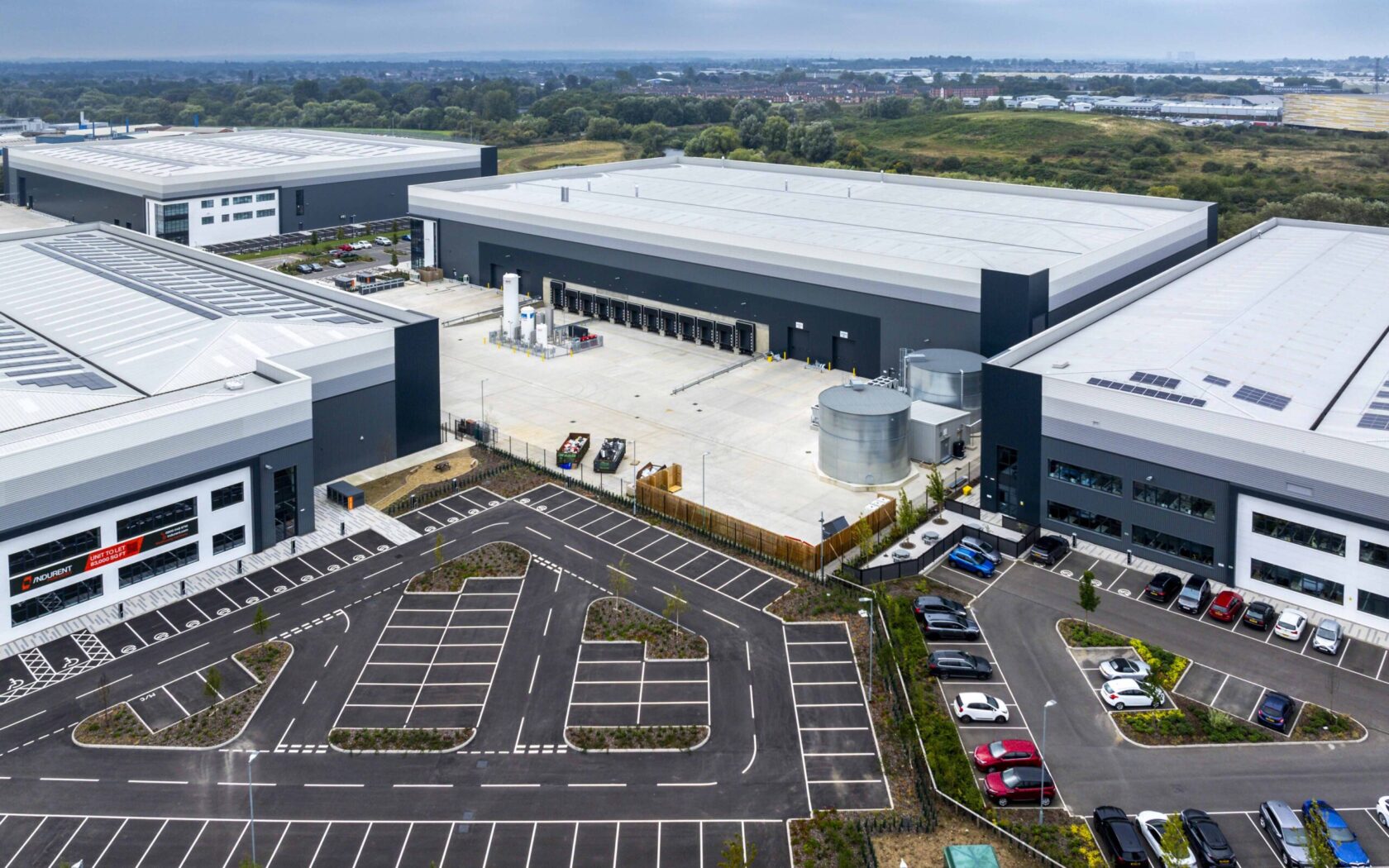
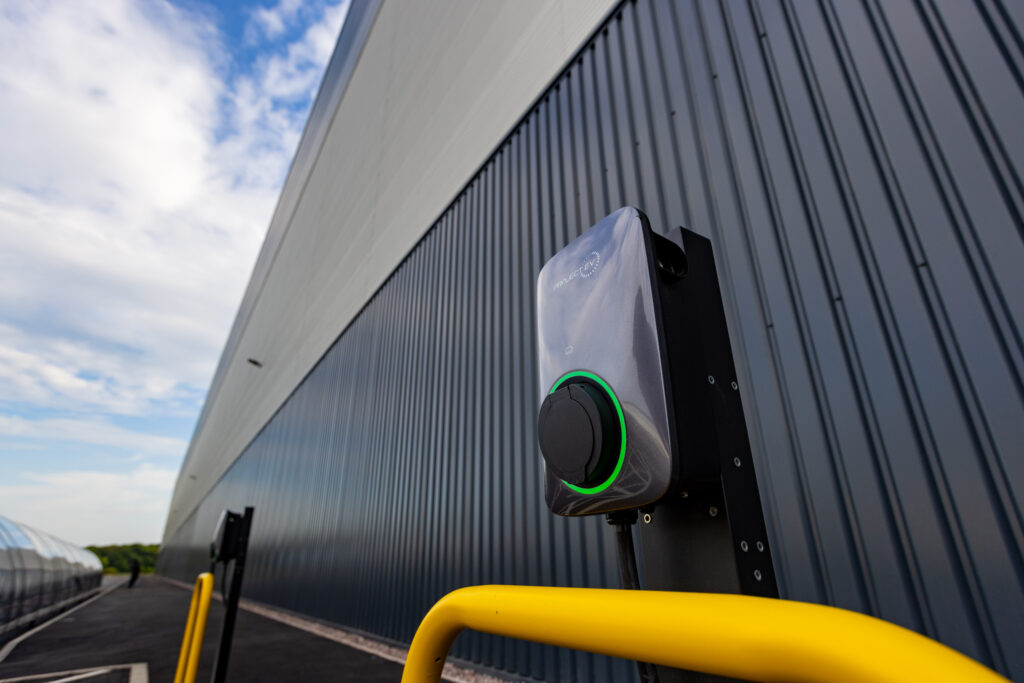
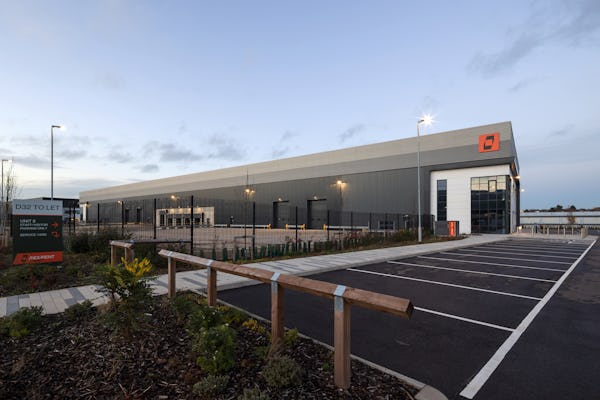
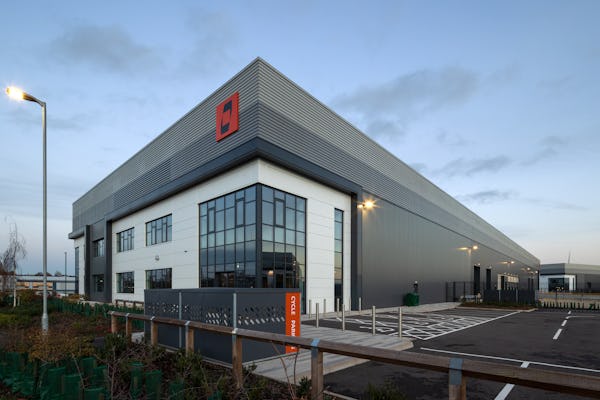
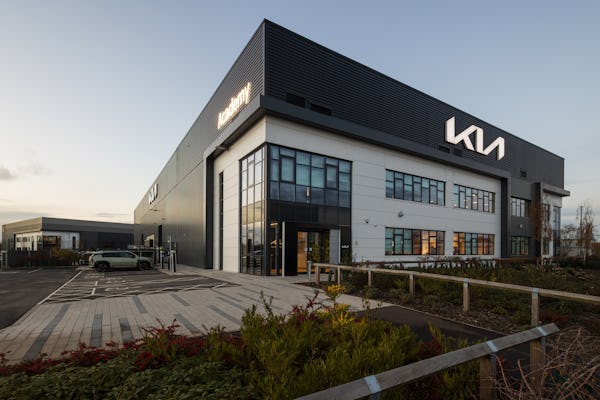
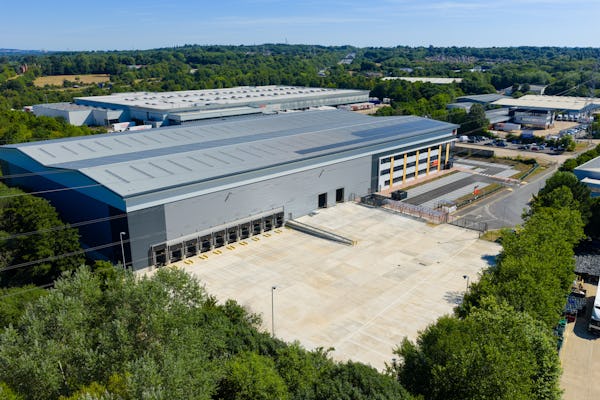
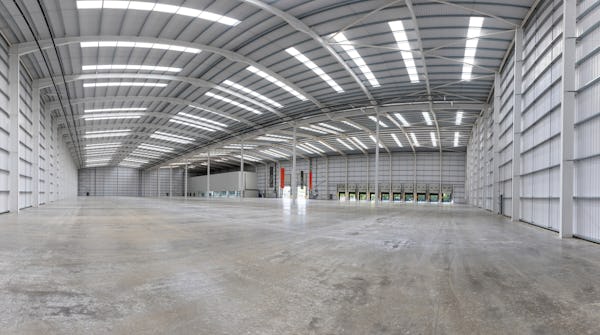
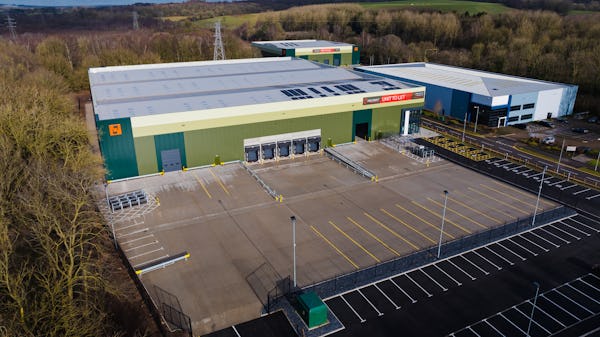
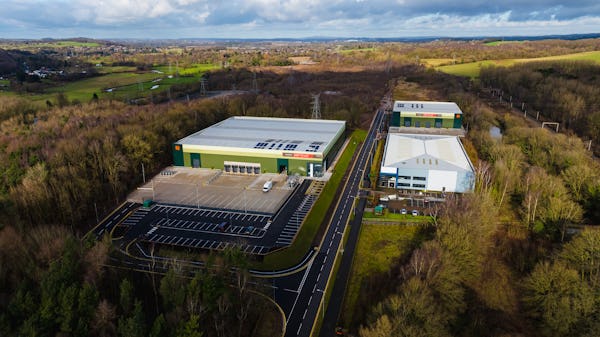
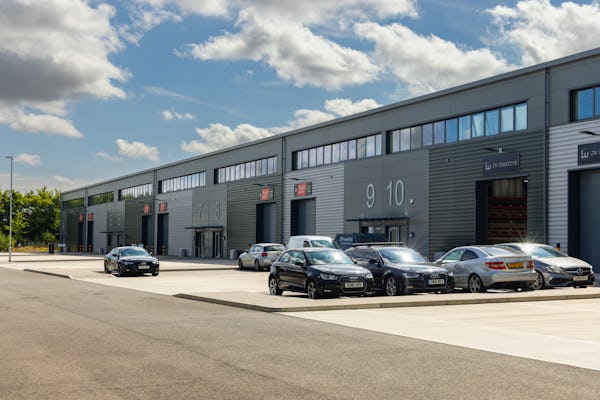
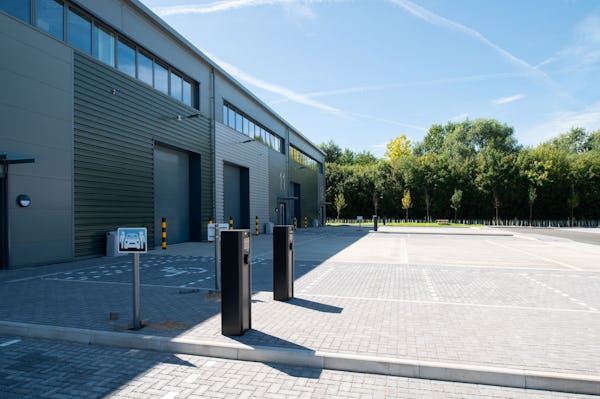
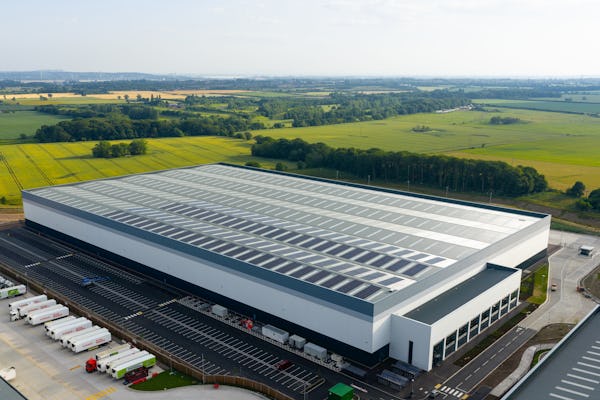
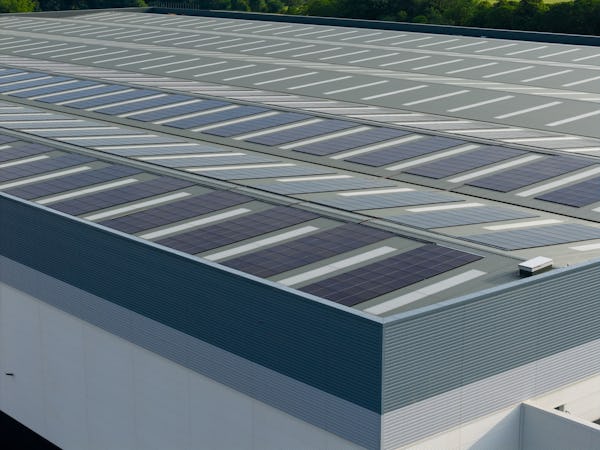
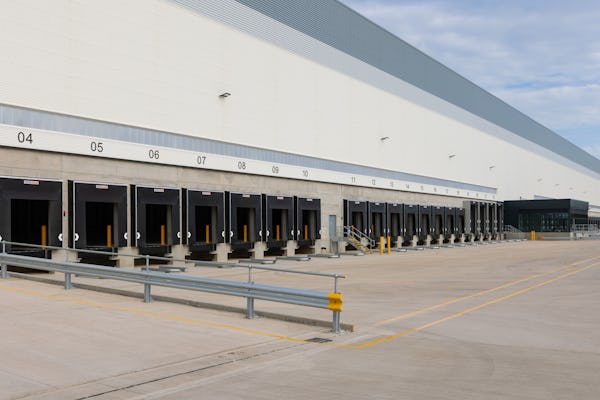
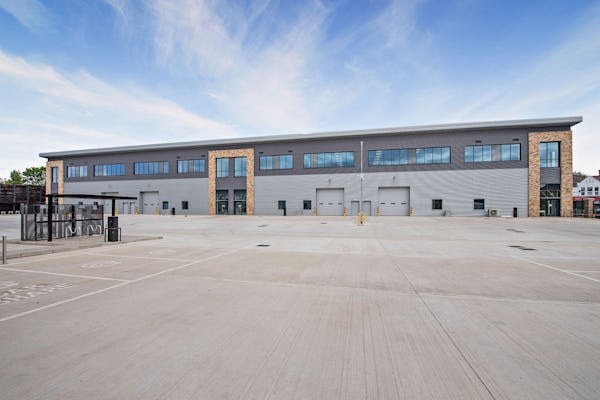
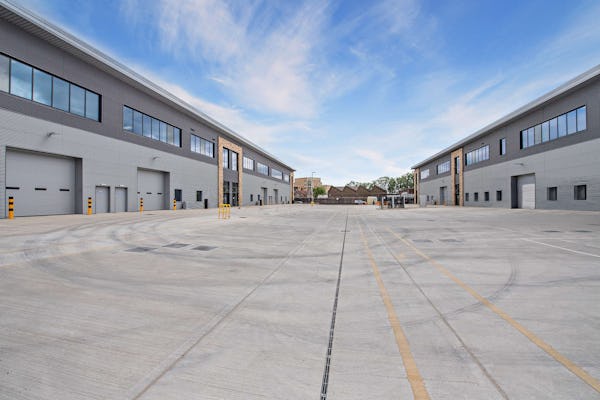
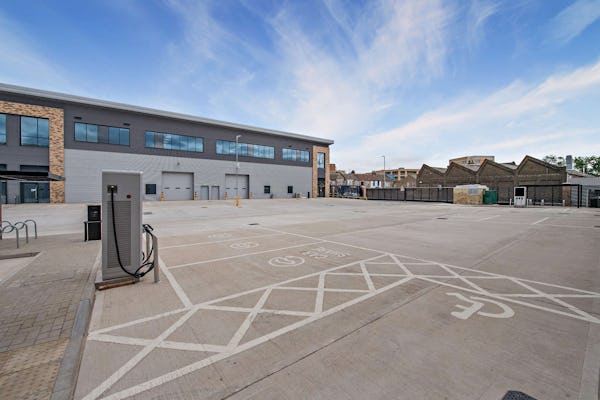
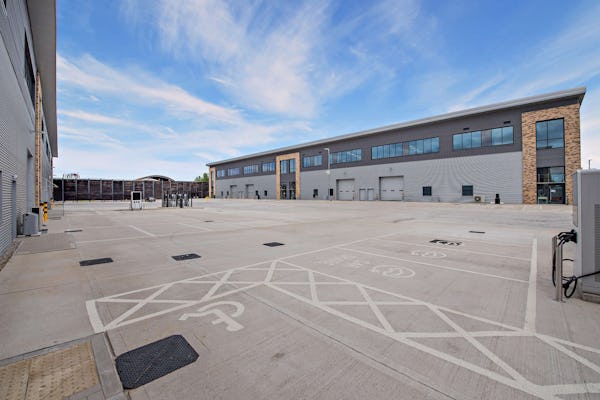
Indurent consistently aims for BREEAM Excellent ratings across its industrial and logistics developments – emphasising energy efficiency, renewable energy (PV), EV charging, smart systems, and high sustainability credentials. In fact, many of our Indurent Parks are rated BREEAM Excellent – to name a few:

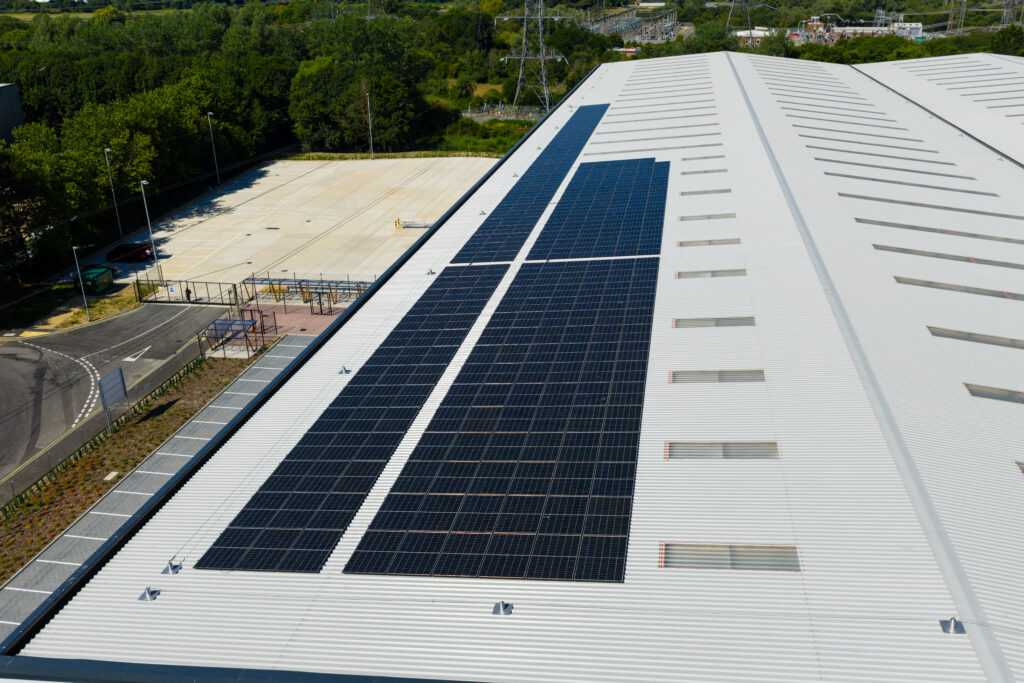
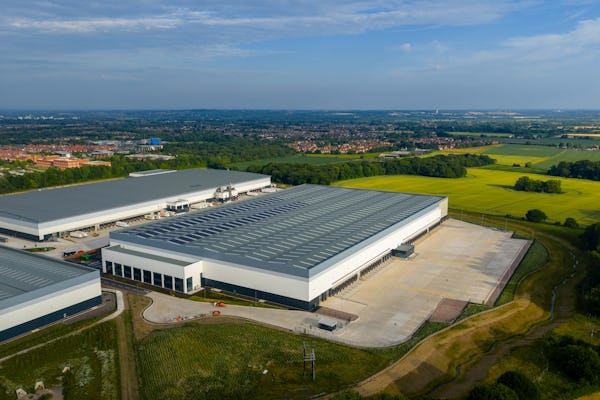
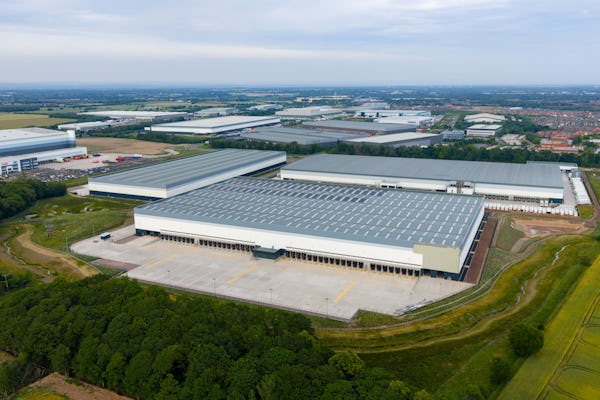
  • Indurent Park Derby – all units are rated BREEAM ‘Excellent’, EPC A+ with PV installations.
  • Indurent 420 (Omega West) – BREEAM ‘Excellent’ rating, EPC A+ target, rooftop solar PV, 2 MVA power supply, and LED lighting, sustainability is built into every aspect of the development.
  • Urban Logistics Tottenham – new Grade A industrial and warehouse units, offering a total of 64,645 sq ft of versatile space targeting a BREEAM ‘Excellent’ rating and an EPC Rating A.

Indurent Parks BREEAM Excellent and Outstanding rated features

Indurent is also proud to manage the only BREEAM ‘Outstanding’ rated building on the South Coast: Indurent 135, Nursling. Providing 135,617 sq ft of premium industrial space in Southampton, this facility is purpose-built to support net-zero ambitions. With an EPC Rating of A+, the development incorporates rainwater harvesting, LED lighting, EV charging points, and a solar PV system, delivering long-term savings in both operational costs and carbon emissions.

If your business has BREEAM-specific requirements, the Indurent team can help. To get in touch, you can fill in your requirements in this contact form, or call us on 0800 011 9237.

FAQs about BREEAM

What does BREEAM stand for?

BREEAM stands for Building Research Establishment Environmental Assessment Method. It is the world’s longest-established and most widely used method of assessing, rating, and certifying the sustainability of buildings. Developed by the Building Research Establishment (BRE) in the UK in 1990, BREEAM provides a science-based framework to evaluate the environmental performance of buildings throughout their lifecycle.

Is BREEAM mandatory in the UK?

The UK government does not legally mandate BREEAM certification for all buildings – but it can sometimes be required by local authorities or investors. For example, councils in some cities include BREEAM ratings in their planning permissions, often requiring a minimum rating (e.g. “Very Good” or “Excellent”) for new non-residential buildings.

What’s the difference between BREEAM and LEED?

The key difference between BREEAM and LEED is that the latter is typically US-focused, whereas BREEAM is UK-based and used across Europe. They’re both green building certification systems but they are slightly different in practice.

What’s the difference between BREEAM and CEEQUAL?

BREEAM and CEEQUAL both assess sustainability but apply to different project types—BREEAM focuses on buildings (e.g., offices, warehouses, schools), while CEEQUAL—now part of BREEAM Infrastructure—is tailored to civil engineering and infrastructure projects (e.g., roads, bridges, utilities).