Sustainability

BREEAM Ratings: how assessments work

BREEAM certifications ensure buildings meet high sustainability standards, reducing operating costs while enhancing environmental performance and corporate reputation. For industrial tenants with ESG factors in mind, BREEAM is a trusted framework for measuring the environmental performance of buildings at every stage – from design to operation. Learn more about how BREEAM assessments and ratings work.

How BREEAM ratings are calculated

BREEAM scores are used to determine a building’s overall sustainability rating based on its performance across a range of environmental and operational criteria. Each assessed category (such as energy, water, materials, and health) is weighted and scored, contributing to a final percentage score.


This score then places the project into one of several rating levels, offering a clear benchmark for how well the building meets BREEAM’s sustainability standards. Those scores are:


  • Unclassified – scores below 30%
  • Pass – scores between 30% and 44%
  • Good – scores between 45% and 59%
  • Very Good – scores between 60% and 74%
  • Excellent – scores between 75% and 89%
  • Outstanding – scores of 90% or higher


Assessment process


The BREEAM assessment process is a structured, evidence-based approach carried out by a licensed BREEAM Assessor to evaluate a building’s sustainability performance. It typically involves the following steps:


1. Registration

The project is registered with BRE and a licensed assessor is appointed.

2. Pre-assessment

A feasibility review to understand potential rating outcomes.

3. Evidence Collection

The project team gathers documentation to demonstrate compliance with BREEAM criteria across categories like energy, water, materials, and health.


4. Design Stage Assessment

An interim certificate is issued based on proposed plans and sustainability features.

5. Post-Construction Review

The assessor verifies that all design commitments were implemented in the final build, leading to a final certified rating.


6. Certification

BRE or its partner body reviews the assessor’s report and issues an official BREEAM certificate with the final rating.
For existing buildings, BREEAM In-Use follows a similar process, focused on operational performance and management practices. To learn more about what BREEAM is and the applications across building types, read our article BREEAM: Understanding Sustainability Certifications.

Purpose of BREEAM rating system

The purpose of the BREEAM rating system is to provide a clear, independent measure of a building’s sustainability performance across its design, construction, and operational stages. It encourages better environmental outcomes by evaluating key areas such as energy use, health and wellbeing, water efficiency, materials, and ecological impact.


Through its tiered rating scale from Pass to Outstanding BREEAM helps project teams, developers, and building owners understand how well their building performs and where improvements can be made. The system not only supports environmental goals but also enhances long-term asset value, lowers operational costs, and promotes healthier, more productive spaces for occupants.

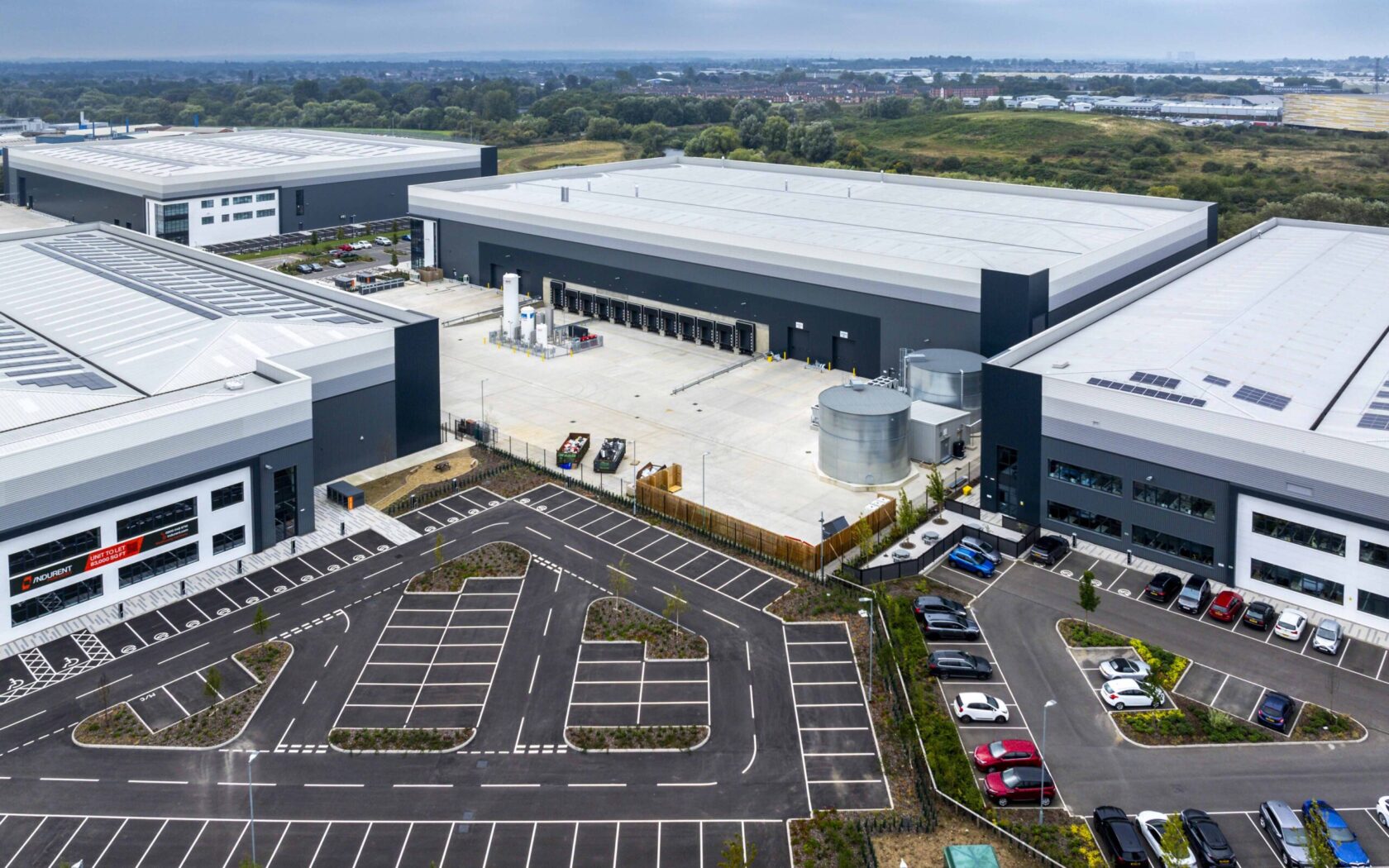
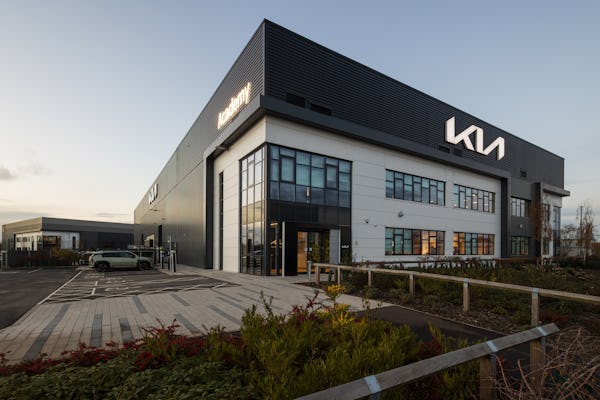
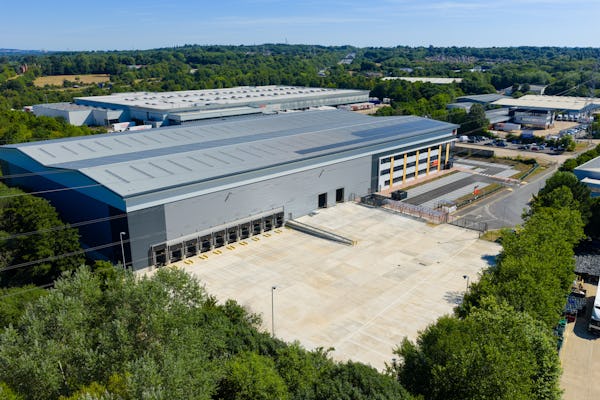
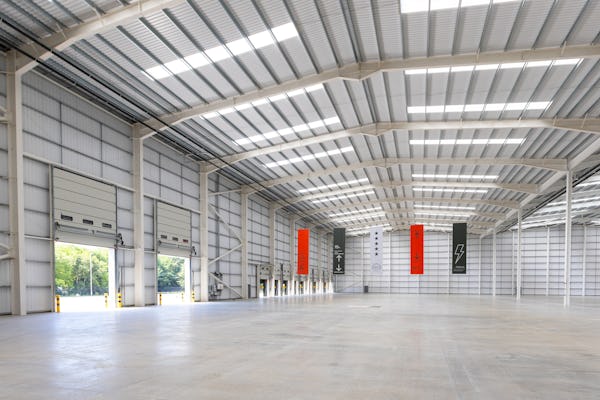
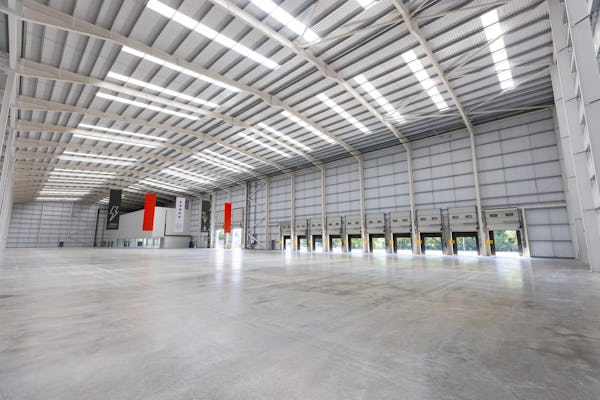
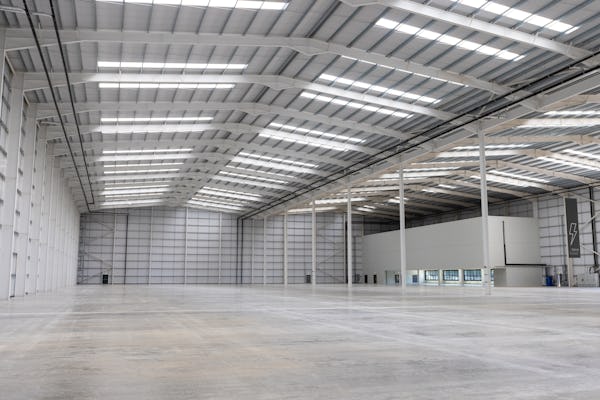
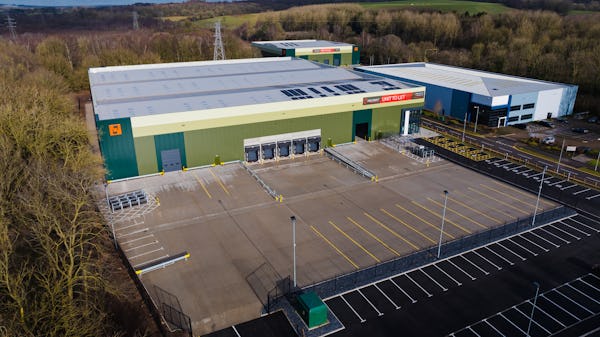
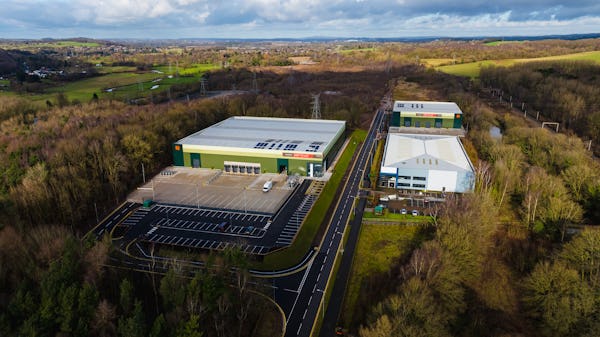
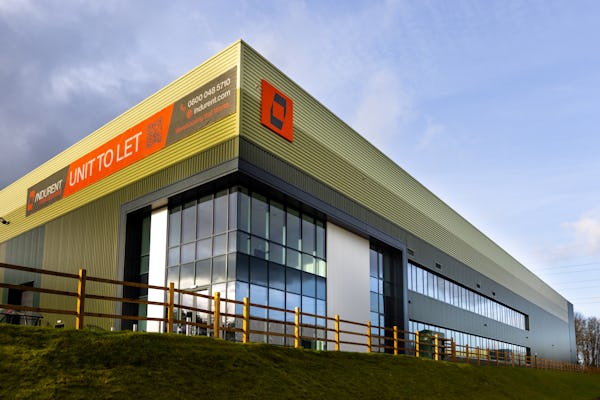
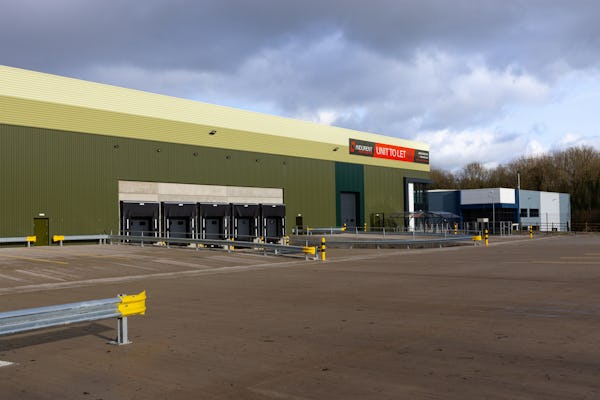
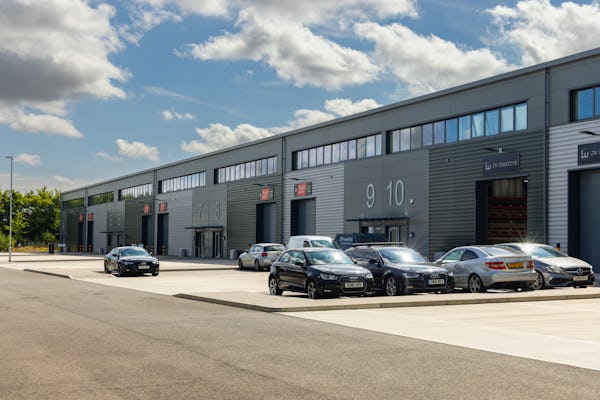
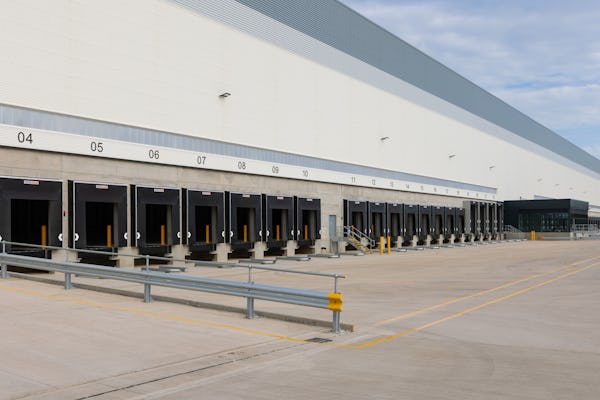
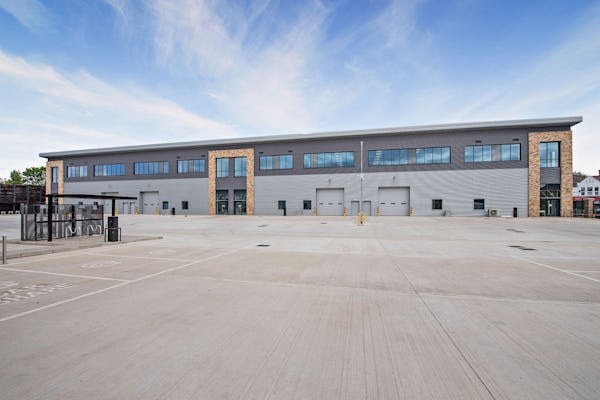
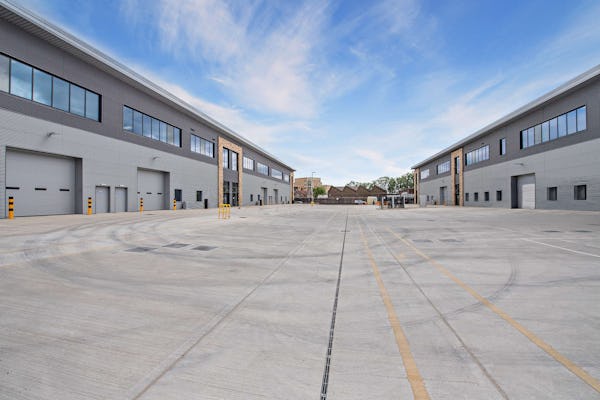
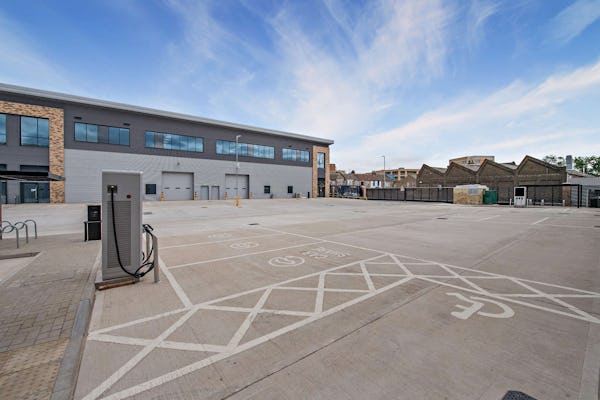
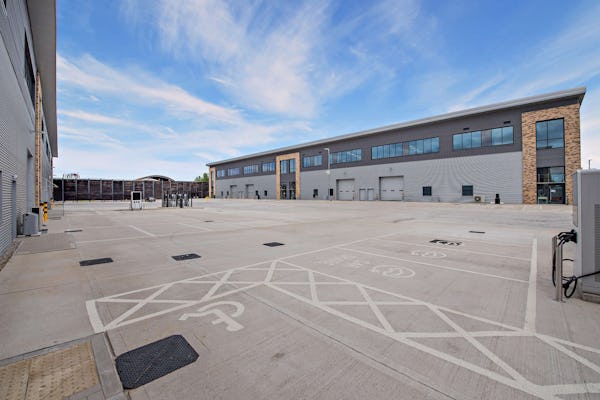
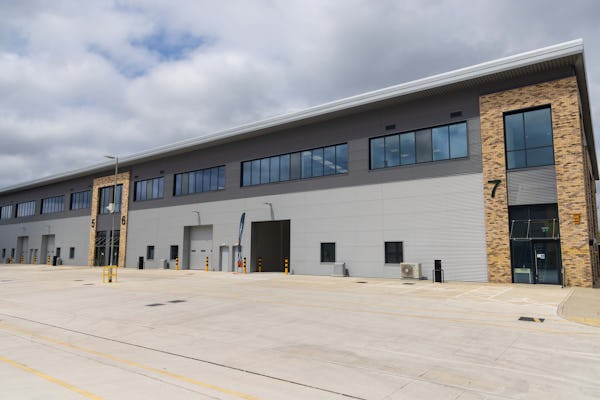
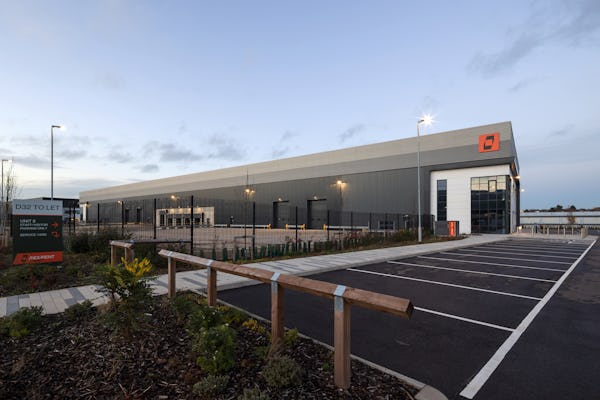
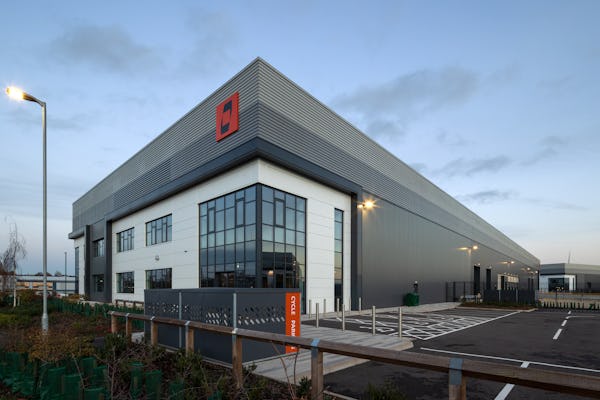
Indurent Parks BREEAM Excellent rated features

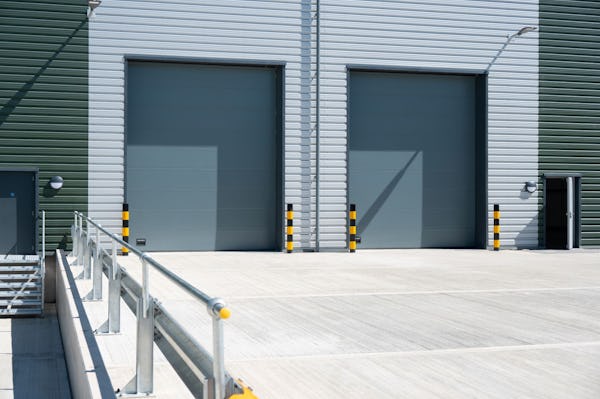
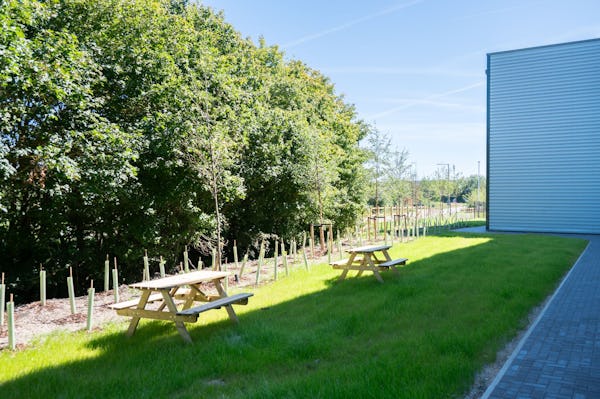
At Indurent, we’re proud of the work we’ve done on our Indurent Parks to either work towards or secure BREEAM certifications on the industrial units for our tenants. Among the improvements we’ve made to many of our spaces, we try wherever possible to include the following in our units and estates:

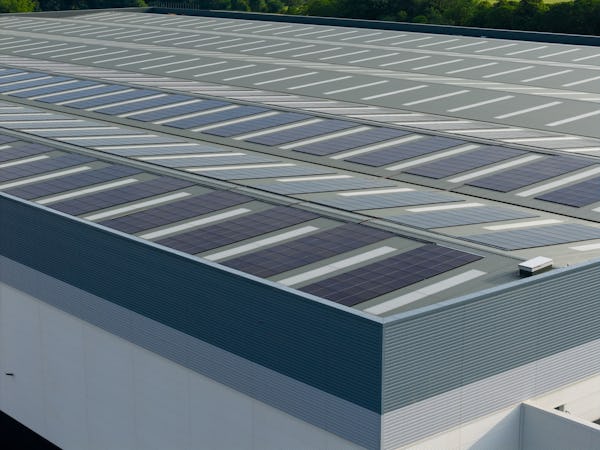
Solar Photovoltaic (PV) systems

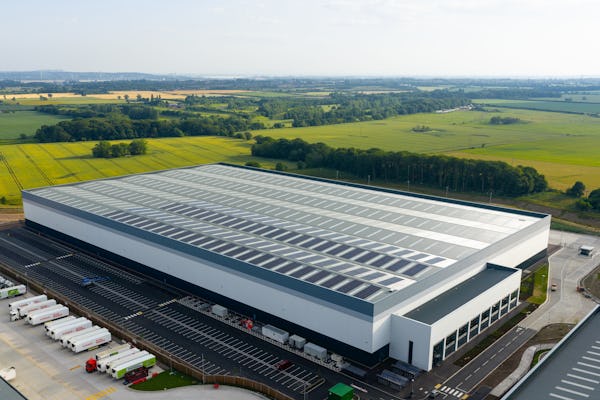
Many units are designed to accommodate 100% rooftop solar PV coverage, allowing tenants to generate clean, renewable energy on-site.

EPC ratings

Our properties frequently attain EPC A or A+ ratings, indicating superior energy efficiency.

Rooflights

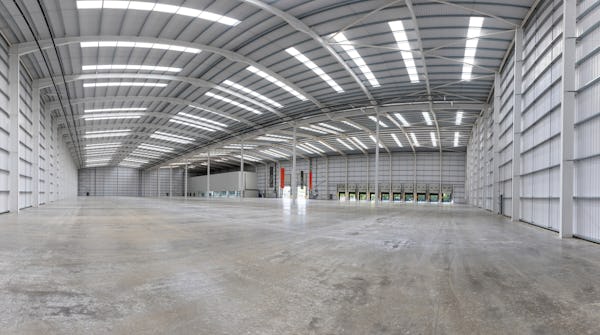
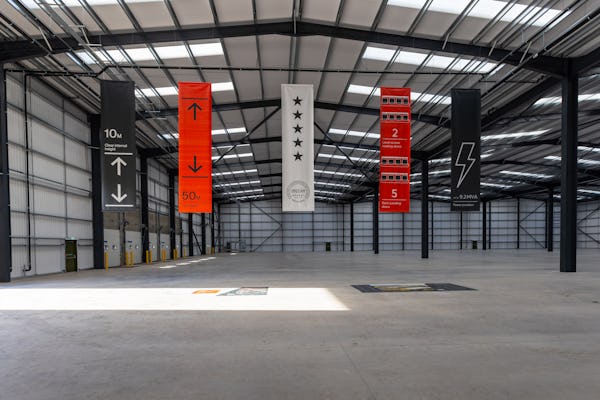
Incorporation of rooflights (10–15% coverage) maximises natural light, decreasing reliance on artificial lighting.

LED lighting

Implementation of smart LED lighting systems reduces energy consumption.

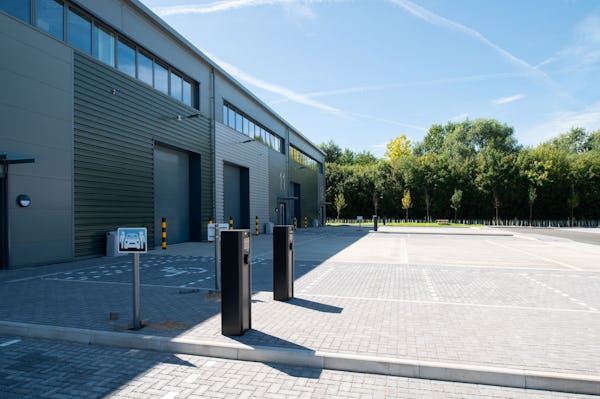
EV charging stations

Provision of EV charging points supports the adoption of electric vehicles, contributing to reduced transportation emissions.

For more information about our BREEAM certified estates, the Indurent team can help. To get in touch, you can fill in your requirements in this contact form, or call us on 0800 011 9237.

FAQs about BREEAM ratings

Is BREEAM only for new buildings?

No, BREEAM is not only for new buildings. While it is widely used to assess sustainability in new construction projects, BREEAM also offers tailored schemes for existing buildings, refurbishments, and fit-outs. The BREEAM Refurbishment and Fit-Out scheme addresses upgrades to older properties, while BREEAM In-Use evaluates the ongoing performance of operational buildings.

How long is BREEAM valid for?

For buildings assessed under BREEAM In-Use, certification is valid for three years. After this period, a reassessment is required to maintain certified status, ensuring that the building continues to meet sustainability standards and reflect its actual operational performance over time.

Can BREEAM ratings be improved?

Yes, BREEAM ratings can be improved by making sustainability upgrades to a building or its operations. This can include enhancing energy efficiency, improving water management, increasing the use of sustainable materials, or strengthening management practices. For existing buildings, reassessment through BREEAM In-Use allows ratings to be updated as performance improves.