Skip to content
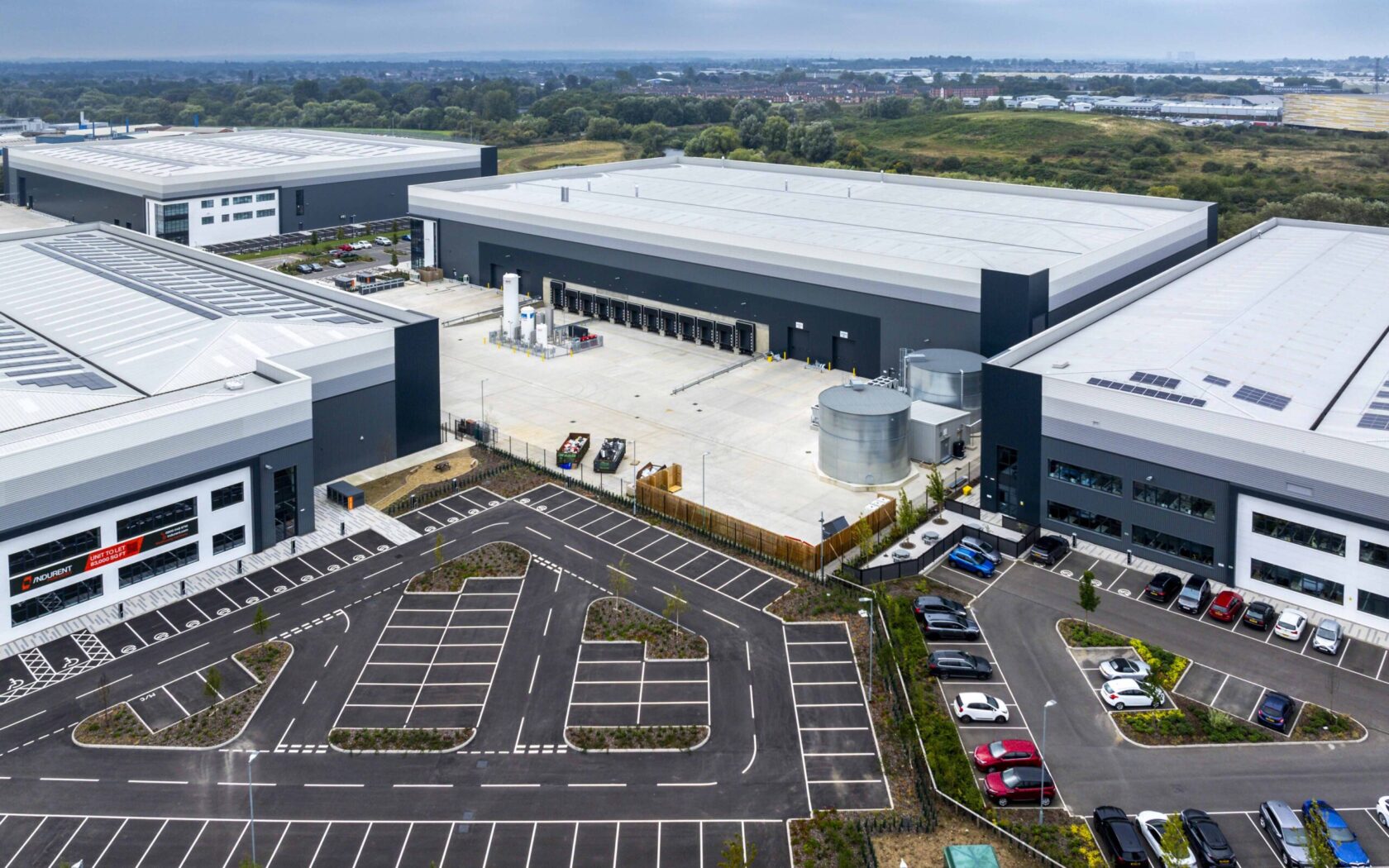
Scope 1 emissions are the direct greenhouse gas emissions from sources that a company owns or controls. In simple terms, these are emissions that happen on-site or from company-owned assets.
Learn more about scope 1 emissions.

With ESG reporting requirements, net zero commitments, and growing accountability across supply chains, understanding emissions is no longer optional. For companies operating in warehouses, logistics hubs and manufacturing facilities, industrial spaces play a central role in how emissions are generated and managed.
This makes it vital for business leaders to understand the differences between Scope 1, 2, and 3 emissions — learn more with Indurent.
The concept of scoped emissions originates from the Greenhouse Gas (GHG) Protocol, the globally recognised framework for measuring and managing greenhouse gas emissions. Developed through a partnership between the World Resources Institute (WRI) and the World Business Council for Sustainable Development (WBCSD), the GHG Protocol provides businesses with a standardised way to categorise emissions, ensuring consistency and comparability across industries.
For companies operating in the UK, this framework also underpins many reporting requirements tied to net zero targets and environmental regulation. In the context of industrial property, it means both landlords and tenants must understand how emissions from facilities, energy use, and supply chains are categorised to stay compliant and competitive.
The Greenhouse Gas (GHG) Protocol groups emissions into three categories, known as Scopes 1, 2, and 3. These categories help businesses measure and report emissions more consistently, ensuring transparency and accountability. Here’s how each scope works:
Scope 1 emissions are the direct greenhouse gas emissions from sources that a company owns or controls. In simple terms, these are emissions that happen on-site or from company-owned assets.
Learn more about scope 1 emissions.
Scope 2 emissions are the indirect emissions from purchased energy. This includes the greenhouse gases released when generating the electricity, heating, or cooling a company buys to power its facilities.
Learn more about scope 2 emissions.
Scope 3 emissions cover all other indirect emissions that occur throughout a company’s value chain — both upstream (suppliers) and downstream (customers). They are the hardest to track but often the largest contributor to a company’s total carbon footprint.
Learn more about scope 3 emissions.
Understanding the theory behind Scopes 1, 2, and 3 is useful, but seeing how they appear in real-world industrial operations makes the picture clearer. From day-to-day facility management to complex supply chain activities, each scope plays out differently across the sector.
|
Scope 1 |
|
|
Scope 2 |
|
|
Scope 3 |
|
Aligning with the GHG Protocol ensures that businesses leasing warehouses or factories can demonstrate transparency to investors, meet customer expectations, and position their operations for long-term sustainability.
Measuring greenhouse gas emissions across Scopes 1, 2, and 3 is far from straightforward. While Scope 1 and Scope 2 are generally easier to calculate, Scope 3 presents significant complexity. Because it spans an organisation’s entire value chain, Scope 3 involves collecting reliable information from suppliers, logistics providers, waste managers, and even end-users.
For the industrial sector, these challenges are even more pronounced. Older warehouses and factories may lack the metering and monitoring systems needed to capture accurate Scope 1 and 2 data. Supply chains are often global, making Scope 3 reporting dependent on partners with varying levels of transparency or reporting capability. The result is that many companies face gaps in data, high reporting costs, and difficulties meeting disclosure requirements. Yet, without tackling these challenges, businesses risk falling behind regulatory standards and missing investor expectations.
While BREEAM ratings don’t directly measure or certify Scope 1, 2, or 3 emissions, it plays an important role in influencing them. By assessing criteria such as energy efficiency, water use, waste management, and building materials, BREEAM encourages property developers and landlords to adopt design and operational strategies that reduce a building’s overall carbon footprint.
For tenants, this means occupying a BREEAM-rated industrial unit can help lower Scope 2 emissions by cutting energy demand, while also indirectly supporting reductions in Scope 3 emissions through responsible construction and operational practices.
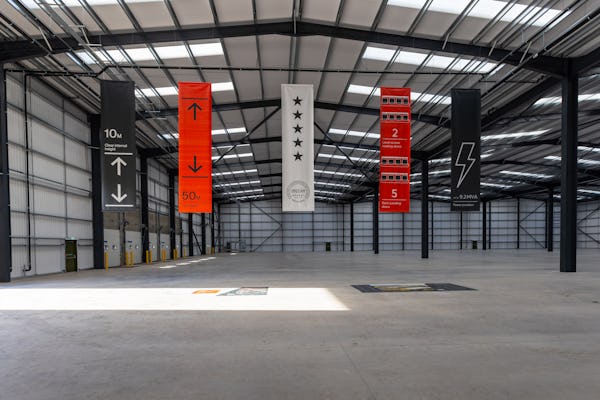
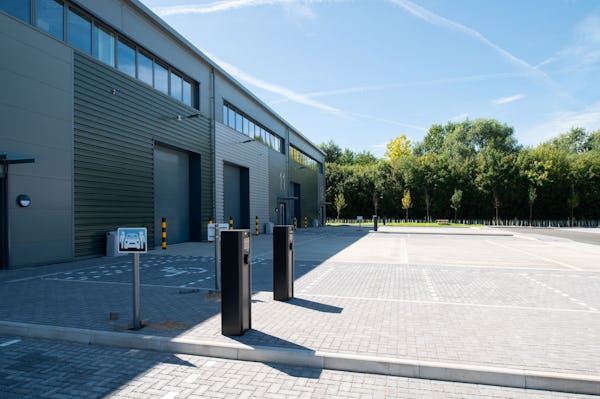
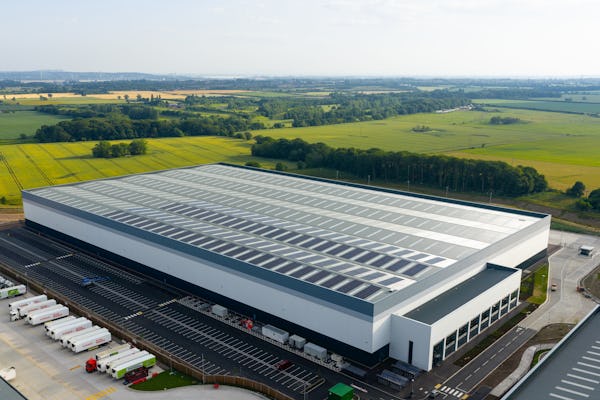
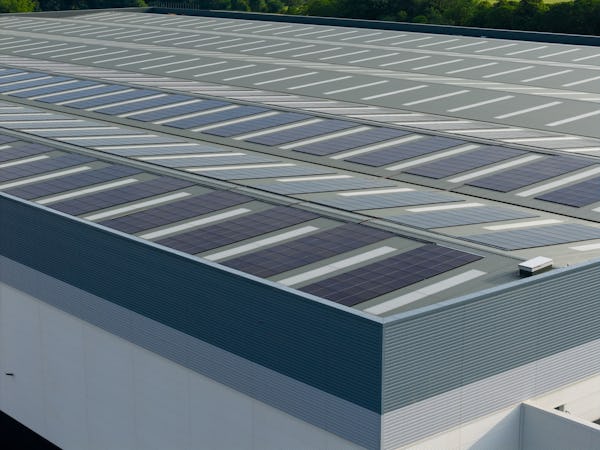
At Indurent, we’re proud of the work we’ve done on our Indurent Parks to either work towards or secure BREEAM certifications on the industrial units for our tenants. Among the improvements we’ve made to many of our spaces, we try, wherever possible to include the following in our spaces:
For more information about our BREEAM-certified estates, the Indurent team can help. To get in touch, you can fill in your requirements in this contact form, or call us on 0800 011 9237.






Scope 3 is the hardest to measure because it covers all indirect emissions across a company’s value chain, from suppliers to customers. Unlike Scope 1 and 2, which rely on data a business directly controls (like fuel use or electricity bills), Scope 3 depends on information from multiple external partners — often spread across global supply chains — making it complex, inconsistent, and resource-intensive to track accurately.
In the UK, large companies are required to report their Scope 1 and Scope 2 emissions under regulations such as the Streamlined Energy and Carbon Reporting (SECR) framework. Scope 3 reporting, however, is not yet mandatory in most cases — though it is strongly encouraged, and many businesses are beginning to disclose it voluntarily due to investor pressure, supply chain requirements, and net zero commitments.